
SuretyScience

SURETY ACCOUNT & BOND APPLICATION OPTIMIZATION

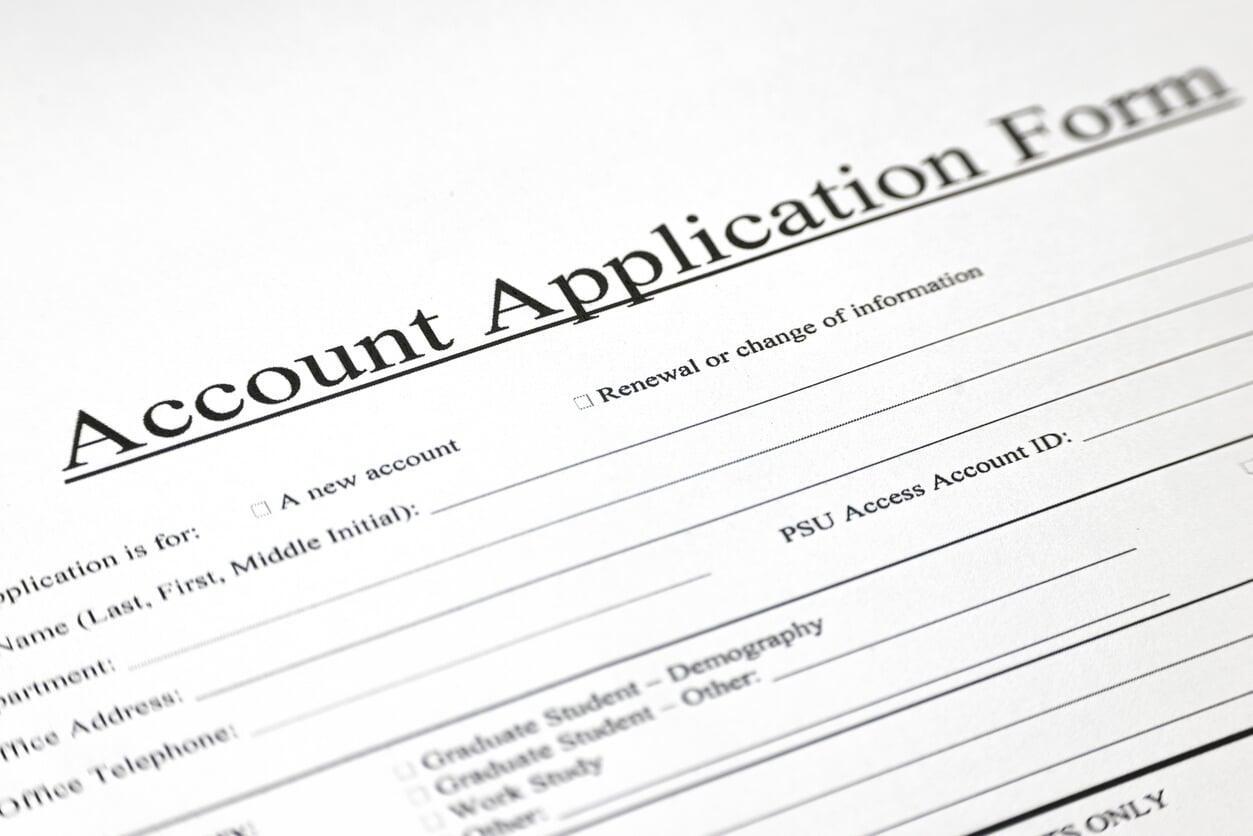
This section presents an industry solution for item 1 (Surety Account Application) described in SuretyScience's Surety blueprint. Although Surety account applications request largely the same information across all insurers, the industry still relies on many different data‑collection formats. These fragmented approaches create inconsistencies, increase error rates, and slow down processing. As a result, most information is still exchanged through email and rekeyed manually into internal systems—a process that undermines automation and scalability.

Ongoing Efforts

Methodologies

Across the Surety industry, a variety of methods are used to collect and review Account applications.

1) Manual Entry

Although this approach represents the path of least resistance for Principals and Agencies, it places a significant burden on insurers. Many carriers rely on offshore CSR teams for manual data entry, while others go so far as to have highly compensated underwriters perform the arduous task themselves.

Challenges

These documents are typically received via unsecured email, most often as form filled documents in a wide range of formats that must be manually interpreted.  The volume of data entry required is substantial, increasing the likelihood of errors during manual entry.

2) Website Forms

Many insurers, brokers, and agencies provide web based account application forms to demonstrate technological capability and offer clients a streamlined submission experience. and achieve basic workflow automation. 

Challenges

Website application form data is rarely compatible with Surety system integration. As a result, information submitted securely must be exported, sent over unsecured email, and entered manually—counteracting both the security and efficiency benefits of the original submission method.

3) ACORD Form

ACORD® is a standards-setting body for the insurance industry. It is widely utilized to achieve process standardization, data uniformity, and transmission. The ACORD 503 contract bond request form, which includes Account application attributes, was published in 2015.
Challenges

Industry adoption remains limited. The form taxonomy is incomplete for some use cases and overly complex for others. Its focus on contract bond requests also creates confusion when underwriting occurs prior to the submission of bonds.

4) ACORD Data

(SuretyScience Endorsed)

The electronic transmission of account‑application data eliminates labor‑intensive duplicate entry and significantly enhances the speed and accuracy of underwriting decisions.
Challenges

Although ACORD forms are backed by an established data taxonomy, more flexible and extensible data structures are needed to capture all information required in today’s underwriting processes including unique account situations, emerging data types, or the varied workflows.  Everyone should petition ACORD, insurers, and software vendors to adopt and implement this capability.

The ACORD Standard

SuretyScience supports the ACORD Standard as the optimal industry solution account applications.

The Process

Source
Transformation

The sender converts Account application data into the ACORD format.

Export

The sender can save locally or submit them directly by consuming the target system’s endpoint web services.

Transmit

The sender delivers data to the receiver through secure, authorized transmission channels.

Target
​Transformation

The receiver converts  data from the ACORD format into an  structures for internal processing.

ACORD Standard Benefits

Mature, Proven Technology

ACORD standards have been utilized by the U.S. insurance industry since the 1970s, with both the forms and data taxonomies achieving broad adoption.

Greater Underwriting Speed & Accuracy

Receiving timely and complete Account application data accelerates decision‑making and improves confidence.

Reusable Across The Industry

The standard can be uniformly adopted by every participant in the Surety ecosystem, including insurers, agencies, and principals.

Reduces Overhead Costs & Mistakes

Eliminates labor‑intensive manual entry and reduces the errors that inevitably arise from repeatedly rekeying data.

Highlighted Offerings

Initiative: 
The Surety Blueprint

Initiative: 
Surety Bond Verification Standards

Initiative: 
Surety WIPS & Financials Standards

Product: 
Uniform Surety Data

Product: 
Surety Risk Information